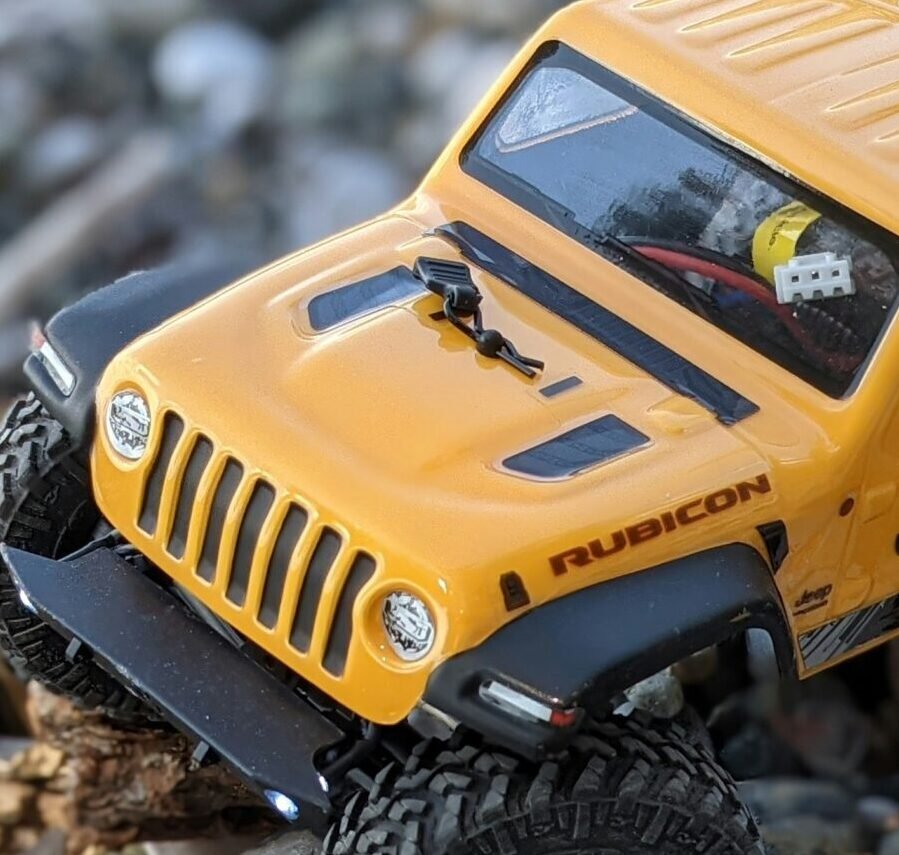
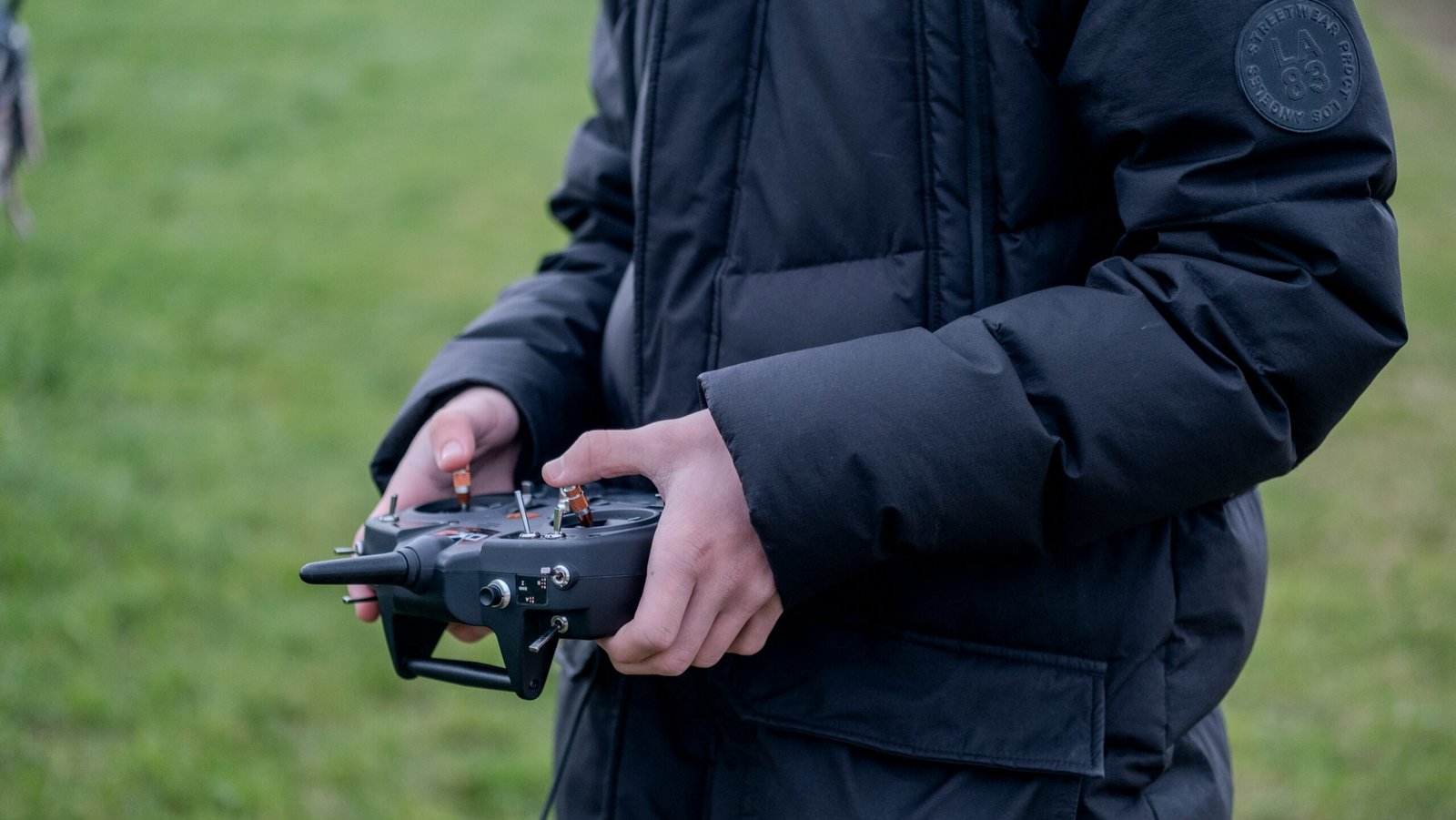
RC car waterproofing lets you drive through puddles, mud and wet grass without worrying about a ruined receiver. Water and electronics do not mix, but with the right preparation you can protect the parts that matter most. This guide shows you how to waterproof an RC car in 8 practical steps, what to check first, and how to care for your car after a wet run.
Waterproof vs Water-Resistant: What Is the Difference?
Few RC cars are truly waterproof. Most are water-resistant at best, meaning they can handle splashes but not submersion. The IP Code (Ingress Protection rating) is the standard way to describe how well equipment resists water and dust. If your car lists no rating, treat it as not waterproof.
It also matters that “waterproof” on a box often covers only the ESC and servo. The receiver, connectors, bearings and battery usually still need attention.
Before You Start: Check What Is Already Protected
- Read the manual and product listing for waterproof or splash-proof parts.
- Identify the ESC, receiver, servo, motor and battery plugs.
- Remember that toy-grade cars with sealed-in boards generally cannot be protected effectively. If you are shopping, our best RC car under $50 guide flags this.
Power the car off, disconnect the battery and clean off any dirt before you begin.
8 Steps for RC Car Waterproofing
- Protect the receiver first. The receiver is the most sensitive part. Place it in a waterproof receiver box, or wrap it in a small balloon or thin plastic bag and seal the opening around the wires with a zip tie, leaving the antenna wire outside through a tube. Make sure heat cannot build up inside.
- Seal the receiver box seams. Add a thin bead of silicone sealant around the lid and cable entry points. Let it cure fully before use.
- Apply conformal coating or liquid electrical tape. Coat the circuit boards of non-waterproof ESCs. Keep the coating away from connector contacts, switches and heat sinks.
- Use dielectric grease on connectors. A small amount on plug contacts keeps moisture out and slows corrosion. Do not overfill them.
- Cover the servo. If your servo is not waterproof, seal the case seams and wire exit with silicone, or swap it for a waterproof servo.
- Close gaps in the body and chassis. Use foam tape or rubber grommets so water has fewer entry points.
- Protect the battery. Choose a sealed battery compartment, and never submerge the pack. Wet LiPo batteries can be dangerous, so keep them dry and charge only when completely dry.
- Test before you trust it. Do a quick splash test in shallow water, then open everything up and check for moisture before a longer run.
What Not to Do
- Do not run through salt water. Salt corrodes metal quickly and is very hard to clean out.
- Do not drive in deep water unless your car is designed for it. Motors can pull in water through vents.
- Do not trap heat. Over-sealing the ESC can cause overheating and lead to your car cutting out, which we cover in our guide on why an RC car keeps cutting out.
- Do not charge a wet battery or plug in wet electronics.
After-Run Care for a Wet RC Car
- Disconnect the battery straight away.
- Wipe off mud and water with a soft cloth or brush.
- Remove the body and open any receiver box to check for moisture.
- Blow out water with low-pressure compressed air or let the car dry in a warm, ventilated spot.
- Re-oil bearings and moving metal parts with a suitable bearing oil, since water displaces lubricant.
- Inspect screws and connectors for rust or corrosion.
If your remote and car stop talking after a wet session, you may need to rebind them. Our guide on how to bind an RC transmitter and receiver shows how.
Is RC Car Waterproofing Worth It?
For any car you plan to drive outdoors, yes. A few dollars of sealant, grease and coating can save you the cost of a new receiver or ESC. It also lets you enjoy more adventures, from rainy trails to creek crossings. Browse our RC enthusiast guide for more ideas on where to drive.
Related Guides on RC Enthusiastic
- What waterproof RC car really means
- How to store an RC car long term
- RC car parts that fail most often
FAQ: RC Car Waterproofing
Can I make any RC car waterproof?
Most hobby-grade cars can be made water-resistant with the steps above. Sealed toy-grade cars are harder to modify.
Does waterproofing stop all damage?
No. It reduces the risk, but you should still dry the car and service it after wet runs.
Is a waterproof ESC enough?
Not alone. The receiver, servo, connectors and bearings also need protection.
1 thought on “RC Car Waterproofing: 8 Steps to a Water-Resistant Build”